Weighing Myself Over a Whole Day
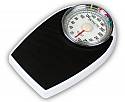 Ever since I posted an entry about the techniques I found useful to lose weight (How I Lost 40 lbs in 6 Months), there's been a project that I've wanted to do, but I just got around to doing yesterday. I weighed myself continuously over a whole day to see how my weight varied.
In that older entry, I'd mentioned that one of the techniques I found useful was weighing myself daily. I explained how I did so in the mornings in only my underwear to try for consistency, and also how you shouldn't stress too much over small fluctuations. And while I knew from experience that my weight could vary by pounds over the course of the day, I'd never taken a detailed look to see exactly what that looked like. So I finally did. (It was actually a little bit more of a hassle than I'd anticipated, so don't expect another entry like this any time soon.)
Before getting into the longer explanation, here are the results, in two graphs. The first graph includes my body weight and the full weight on the scale (i.e. with clothes throughout most of the day). The second is just my body weight, so that the graph could be 'zoomed in' a bit more. Both graphs also include the next morning, just to help show the trend.
My heaviest body weight over the course of the first day was right after lunch, at 171.6 lbs. My lightest was right before supper, at 167.6 lbs. So, over the course of that day, my body weight varied by 4 lbs. Also, my clothes weighed around 5 ½ lbs, so my biggest number on the scale was 177.1, almost 10 lbs heavier than my lightest body weight.
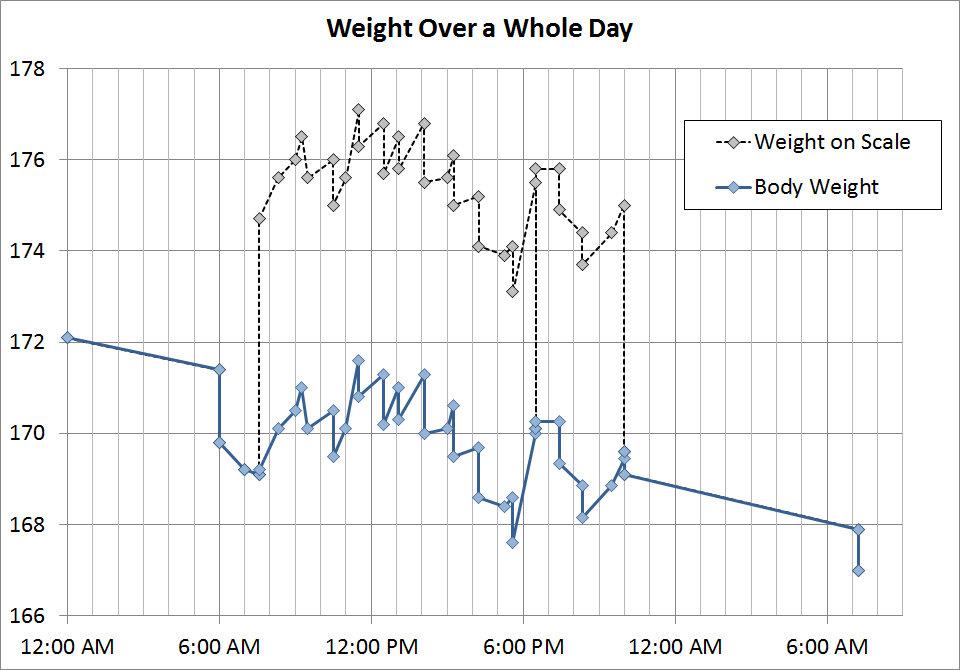
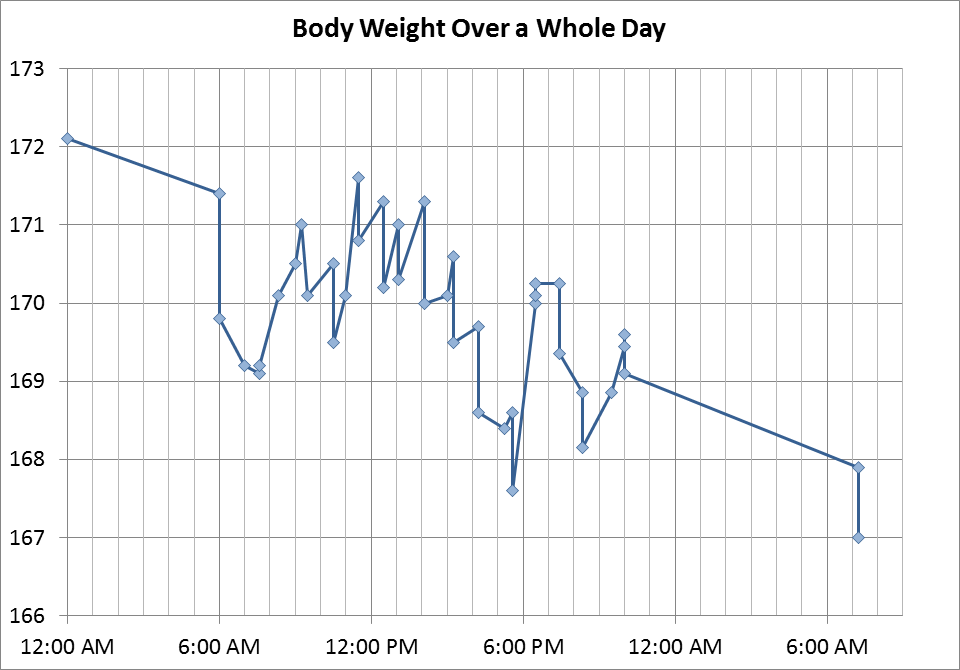
Let's get into a few more details. First, here's my schedule over that period. I was up a bit late the night before, going to bed at midnight. I woke up at 6:00, made a quick trip to purge my bladder, then did my morning workout. Once I got to work, an office job, I ate my breakfast and started drinking coffee, making periodic bathroom breaks. Pretty much every sudden drop in weight throughout the day was a bathroom break, so I won't bring those up again. I ate my lunch at 11:00. For the rest of the afternoon, I tapered off on the coffee, with a protein bar snack around 12:30. I ate supper around 6:00, then changed to work clothes to go help my daughter on some projects at her house, having a drink or two of diet soda over there. I got home and went to bed around 10:00.
I didn't eat that much yesterday, not anywhere close to what I eat on weekends or special occasions. I'm pretty sure that if I did this on a Saturday, there would be much bigger spikes at meal times.
One thing I already knew, but which I still think is interesting, is how much my body weight drops while I'm sleeping - around a pound. I'm guessing this is a combination of basal metabolic rate (inhaling oxygen, but exhaling the slightly heavier carbon dioxide), perspiration, and losing just a bit of water to evaporation while breathing.
I had no intention to strip down to my underwear every time I was going to weigh myself, so I just did some math. I weighed myself with and without clothes in the morning before heading to work, and then again when I got home to get a pair of measurements for my office clothes. Then I did the same thing before and after heading to my daughter's house to get a pair of measurements for my work clothes. So, for each outfit, I had two measurements for the difference. I averaged it for each, and subtracted that from the weight on the scale. (It turned out to be right around 5.5 lbs for both outfits.) And to be thorough, I even made sure my pocket contents were the same each time I weighed myself (cell phone, wallet, keys, pocket knife, and mini tape measure at work, empty pockets at my daughter's).
That last paragraph brings up another caveat - my scale's not perfect. If it was, it should have shown the same difference in weight in clothes before and after work, and before and after going to my daughter's. But it didn't. It was off by 0.2 lbs in the first case, and 0.3 lbs in the second. That's not huge, but it does highlight just one more source of variation when weighing yourself.
So, this project helps to show the types of variation someone can have in body weight over the course of a day, and the even bigger variation you can get in the weight on the scale depending on the clothes you're wearing at the time, or even how consistent your scale is. If you're weighing yourself as part of an effort to lose weight or to maintain your current weight, keep this in mind as a reason for consistency in when & how you weigh yourself, and as a reason to not worry about small fluctuations.
Related Entries:
- How I Lost 40 lbs in 6 Months
- Weight Loss Follow-Up - Keeping the Weight Off
- Good Sources of Potassium
- Nutrition Supplement Crankery
Bathroom Scale Image Source: Detecto.com
Updated 2019-03-26: Made a few minor changes to wording to help things read better, but no change to any meaning.
 Well, it's the start of a new year, and a lot of people are making weight loss resolutions, so I figured it was a good time to revisit a post from 2½ years ago,
  Christmas is less than two weeks away, so it's about time to get up my now annual Big Christmas Post. I've written quite a few Christmas related entries over the years, and posted various comics and memes, so I've decided to gather up links to all the best stuff into one post. I know this is recycling, but it's still good stuff, especially if you've never read it before.